Eating Disorder Therapy

Eating Disorder Therapy
If food feels like the loudest voice in your life, you’re not alone—and you’re not broken.
Eating disorders are rarely about food. They’re about control when life feels overwhelming, comfort when emotions feel unbearable, and survival when something inside hurts. You may feel exhausted from the constant mental math, rules, guilt, or shame. You might want relief while also being terrified to let go of what feels like your coping tool.
Eating disorder therapy is a space where you don’t have to pretend, minimize, or explain yourself. We move at your pace. There is no pressure to be “ready,” no forcing, no judgment. Instead, we focus on understanding what your eating disorder has been protecting you from—and gently building safer, more sustainable ways to cope.
Together, we work to:
Quiet the relentless food and body thoughts
Reduce shame and self‑criticism
Reconnect with hunger, fullness, and trust in your body
Process underlying emotions, trauma, or perfectionism
Create a life that feels bigger than the disorder
Recovery doesn’t mean losing control—it means gaining freedom. Freedom to think about more than food. Freedom to be present with the people you love. Freedom to feel at home in your body again.
You deserve support that sees you, not just your symptoms. Help is possible, and you don’t have to do this alone.
Eating Disorder Therapy includes…
Our approach is individualized, collaborative, and grounded in evidence-based care—meeting you where you are while helping you move toward lasting healing.
Comprehensive Evaluation
We begin with a thoughtful, in-depth evaluation to understand your history, current symptoms, medical and emotional needs, and personal goals. This allows us to gain a clear picture of how your eating concerns developed and what will best support your recovery.Personalized Treatment Plan
Based on your evaluation, your therapist will create a customized treatment plan tailored to your unique needs. This plan evolves with you and may integrate therapeutic approaches such as CBT-E, ACT, trauma-informed care, and body-based strategies to support both emotional and behavioral change.Individual Therapy Sessions
You’ll meet one-on-one with your therapist in a safe, supportive space to explore underlying patterns, emotions, and beliefs connected to food, body image, and control. Sessions focus on building insight, strengthening coping skills, and creating sustainable change.Coping Skills & Practical Tools
Therapy includes learning concrete coping skills to manage urges, anxiety, perfectionism, and emotional distress. These tools are designed to support you in real-life situations—mealtimes, social settings, and moments when symptoms feel overwhelming.Between-Session Homework
Optional homework assignments help reinforce what we work on in sessions. These may include reflection exercises, skill practice, journaling, or gentle behavioral experiments to support progress between appointments.Collaborative Care
When appropriate, we collaborate with physicians, dietitians, and other providers to ensure comprehensive, coordinated care that supports both physical and emotional health.
Recovery is not about perfection—it’s about building trust with your body, developing healthier coping strategies, and creating a more peaceful relationship with food and yourself. You don’t have to do this alone.
Our Team

Mindy Morgan, MSWi
Samantha Carter, LCSW
TherapistNot currently accepting new clients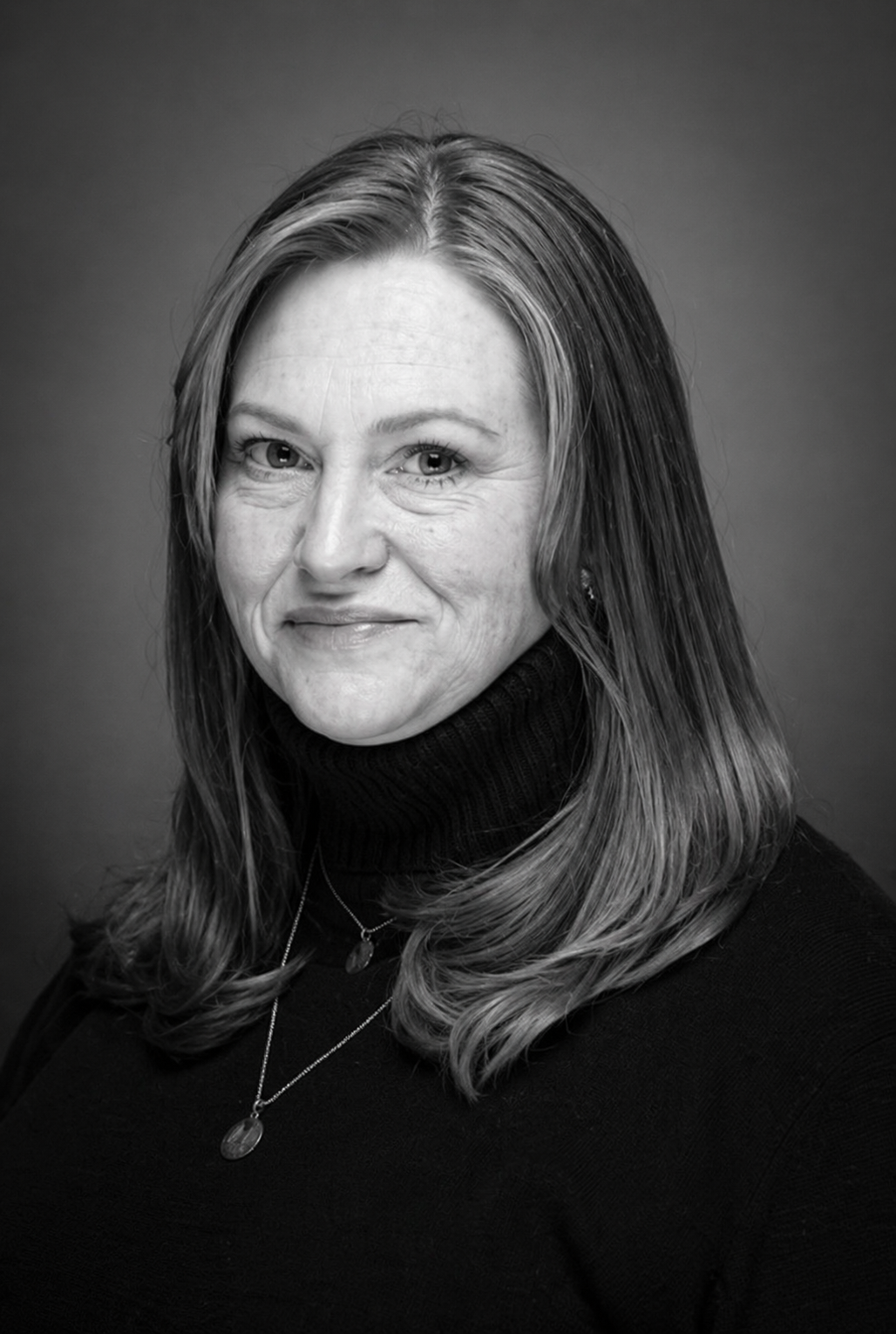
Elle Stutsman, CMHCi
Therapist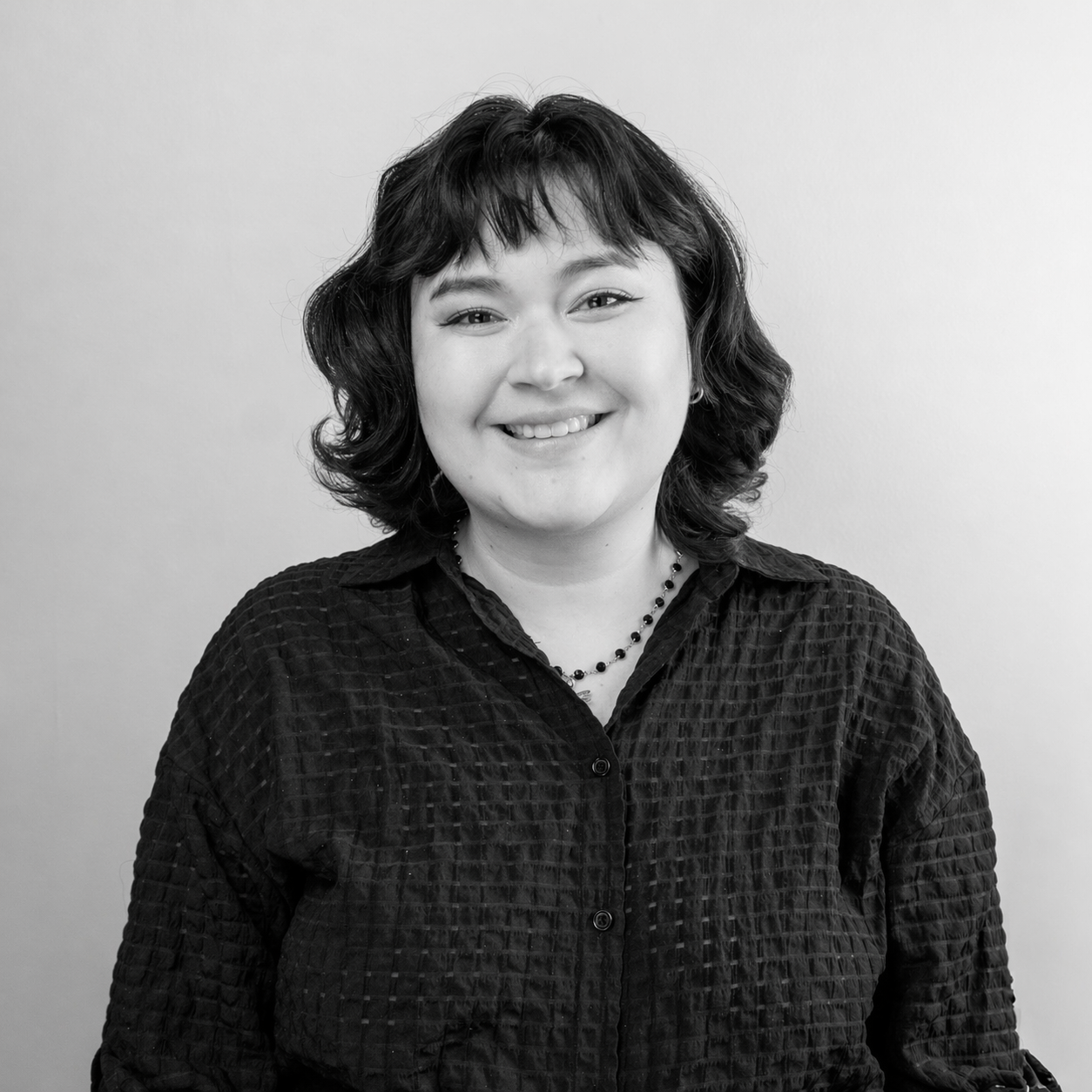
Ysa Stepp, CSW
Therapist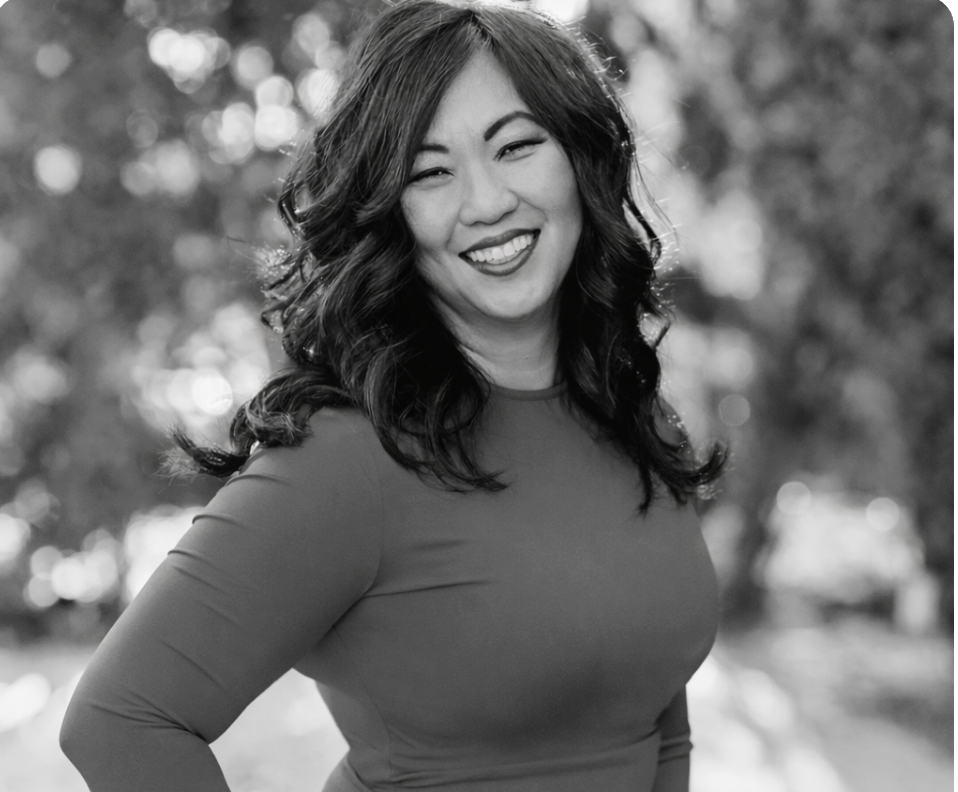
Frequently Asked Questions
-
Eating disorder therapy is a form of mental health treatment that helps individuals understand and change thoughts, emotions, and behaviors related to food, body image, and control. It focuses on healing underlying emotional issues and building healthier coping strategies—not just eating habits.
-
Therapy can help people of any age or gender experiencing symptoms such as extreme dieting, binge eating, purging, obsessive thoughts about food or weight, or other eating-related struggles. It’s designed for those who feel that food has become the “loudest voice” in their life.
-
A typical eating disorder therapy session offers a safe space to talk openly about food struggles, body image distress, and the thoughts that feel impossible to turn off. Together, we look at patterns that keep you stuck—like guilt after eating, fear of weight changes, or the need for control—and begin building tools to help you feel more grounded and less overwhelmed. Sessions often include coping strategies, gentle accountability, and practical steps you can use between sessions so you don’t feel alone in this process.
-
The duration of therapy varies by individual and severity. Progress is personal—some people may see benefits within weeks, while others work toward deeper long-term healing. Therapy moves at your pace.
-
Therapy often helps with various eating disorder experiences, including anorexia nervosa, bulimia nervosa, binge-eating, orthorexia, food addiction, ARFID, and other disordered eating patterns.
-
No. While food behaviors are part of the work, eating disorder therapy focuses on emotions, trauma, control issues, self-criticism, perfectionism, and improving your overall relationship with yourself and your body.
-
In many cases, yes. Eating disorders can affect physical health. Clinical guidelines recommend a team approach that may include therapy, nutrition education, and medical monitoring, especially if there are health complications.
-
Recovery looks different for everyone, but with professional support, many people achieve lasting changes in thoughts, feelings, and behaviors around food and body image. You don’t have to go through it alone. 
-
You can reach out by email or phone to schedule a consultation: